

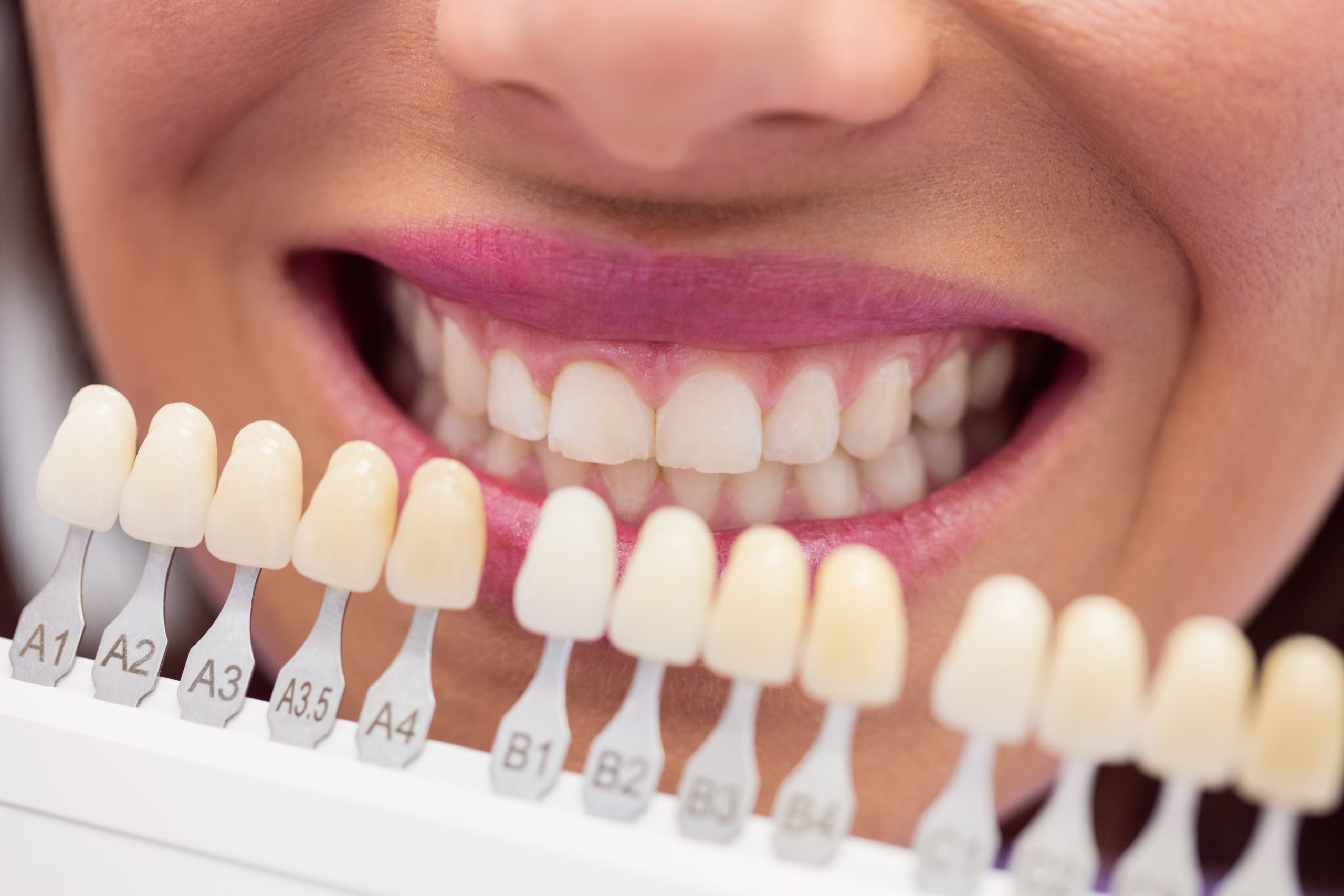
What should you expect before getting veneers, and why is the “prep” phase so important for creating a natural-looking smile? If you are searching for a dental clinic near you to improve chipped, stained, uneven, or worn teeth, you may feel unsure or nervous about how the veneer process works. One of the most important parts of treatment is the prep phase, where your teeth are carefully prepared before the veneers are placed. Learning what happens during this step can help the entire process feel more comfortable, easier to understand, and less overwhelming for patients considering cosmetic dental treatment.
What Are Porcelain Veneers?
Porcelain veneers are thin, custom-made covers placed on the front surface of teeth to improve appearance. They are commonly used to improve:
- Tooth color
- Small gaps between teeth
- Chipped teeth
- Uneven shapes
- Mild alignment concerns
Many patients choosing porcelain veneers in NE Calgary want a natural-looking smile improvement that also feels comfortable during daily activities.
Why Is the Prep Phase Important?
The prep phase helps create enough space for the veneers so they fit naturally on the teeth.
Without preparation, veneers may:
- Feel bulky
- Look uneven
- Affect the bite
- Collect plaque around edges.
Careful preparation helps veneers blend smoothly with surrounding teeth.
What Happens Before Tooth Preparation?
Before treatment begins, a full dental evaluation is completed.
This appointment may include:
- Oral examination
- Smile discussion
- Checking gum health
- Taking dental images
- Reviewing treatment goals
This planning stage helps ensure that the veneers are suitable for the patient’s dental condition.
How Are Teeth Prepared for Veneers?
During the prep phase, a very small amount of enamel is gently removed from the front of the teeth.
This step helps:
- Create room for veneers.
- Improve natural appearance
- Support a secure fit.
- Reduce the bulky feeling after placement.
The amount removed is usually very minimal.
Is the Prep Phase Painful?
Many patients feel nervous before veneer preparation, but the procedure is usually comfortable.
To improve comfort:
- Numbing may be used when needed.
- The process is done carefully.
- Most patients feel little discomfort.
- Mild sensitivity may happen afterward.
The treatment is designed to be as smooth and gentle as possible.
What Happens After Tooth Preparation?
Once the teeth are prepared, impressions or digital scans are taken.
These are used to create custom veneers that match:
- Tooth shape
- Smile size
- Natural color
- Facial appearance
Temporary veneers may sometimes be placed while the permanent veneers are being made.
How Long Does the Prep Phase Take?
The prep appointment length depends on the number of teeth being treated.
In many cases:
- Small veneer cases take one visit.
- Larger smile changes may take longer.
- Temporary veneers may be worn for a short time.
The dentist explains each step before treatment begins.
What Is the Difference Between Porcelain and Composite Veneers?
Many patients ask about the difference between porcelain and composite veneers.
Porcelain Veneers
- Made from a strong material
- More resistant to stains
- Keeps its appearance longer
- Often gives a more natural look.
Composite Veneers
- Placed directly on the teeth
- Usually finished in less time.
- Lower starting cost
- Can stain more easily over time
The best choice depends on your smile goals and dental needs.
How Much Do Porcelain Veneers Cost?
Patients often ask, how much do porcelain veneers cost in Calgary?
The cost can vary depending on:
- Number of veneers needed
- Complexity of treatment
- Materials used
- Overall smile goals
A dental consultation is the best way to receive an accurate estimate tailored to your individual needs.
How to Care for Veneers After Placement
After veneers are placed, taking good care of them helps keep them looking nice and lasting longer.
Helpful care tips include:
- Brushing your teeth twice a day
- Flossing every day
- Avoid chewing on hard things like ice or pens.
- Wear a mouthguard while playing sports.
- Visit your dentist regularly for checkups and cleanings.
If you are searching for porcelain veneers near you, you may also want to know how to keep your veneers looking healthy and beautiful for a long time.
Signs Veneers May Be a Good Option
Veneers may be recommended for:
- Stained teeth that whitening cannot improve
- Small chips or cracks
- Uneven tooth shape
- Minor spacing concerns
- Worn enamel
A dental evaluation helps determine whether veneers are suitable.
Get Ready for a Stronger, More Natural-Looking Smile!
The prep stage is key to developing natural-looking veneers that will feel amazing. When patients understand all of the stages involved, they may encounter a lower level of anxiety and a higher level of predictability with cosmetic treatment. For personalized smile care and detailed veneer consultations, contact Falconridge Dental today to book your appointment for professional cosmetic dental treatment and quality care.
FAQs:-
1. Does tooth preparation cause harm to your natural teeth?
Veneers are designed to fit comfortably on your teeth and may not require any enamel removal or alteration.
2. Are temporary veneers required?
Temporary veneers protect prepared teeth while permanent ones are created. Temporary veneers are used when the permanent veneers are being formed.
3. How long do porcelain veneers last?
With regular checkups, porcelain veneers will last several years.
4. Can veneers stain over time?
Porcelain veneers resist stains better than many other materials, but good oral hygiene is still important.