

A missing tooth might not seem like a big problem at first. After all, you can still eat, talk, and live your life. But beneath the surface, a gap in your smile causes changes in your mouth — some you can see, some you cannot — that build up over time. If you have been living with one or more missing teeth and have not yet looked into treatment, understanding what is happening inside your mouth can help you decide why now is the time to act. Speaking with a dental clinic near you about your options is the first step toward protecting your oral health for the long run.
What Happens to Your Jaw Bone
The biggest change from a missing tooth happens where you cannot see it—deep inside your jawbone. When a tooth is there, its root sends signals to the jaw bone every time you chew and bite. That constant activity tells the bone to stay strong and keep rebuilding itself. Without that signal, the bone starts to shrink — a process that begins within a few months of losing a tooth. This bone loss cannot be reversed and gets worse the longer the tooth is gone. Over several years, serious changes can happen to the shape of your jaw — changes that affect not just your mouth but how your whole face looks.
How Gaps Change Your Bite and Chewing
The teeth next to the gap do not stay where they are. Over time, they lean into the empty space and shift out of line. The tooth above or below the gap may also move down or up, looking for something to bite against. This creates a lopsided bite so the pressure is not evenly distributed across all your teeth. Due to excessive force, the teeth get worn down, get sensitive, and also sustain damage at times. Chewing becomes harder and less efficient. You might avoid certain foods without even noticing or chew mostly on one side of your mouth. This uneven pattern puts stress on your jaw joint and the muscles around it, which can cause jaw pain and headaches. In such cases, it is best to visit a dental clinic in NE Calgary.
How Gaps Affect Your Speech and Confidence
How gaps in your smile affect your bite, speech, and confidence is often overlooked. Depending on which teeth are missing, the way you speak can change noticeably. Some sounds that need specific tooth positions — like S, Z, and TH — become harder to say clearly. For many people, the effect on confidence is just as important as the physical changes. A visible gap changes how you feel about smiling in photos, talking to people, and just being yourself. This affects how you live in ways that go way beyond just the mouth.
Why Dental Implants Are Special
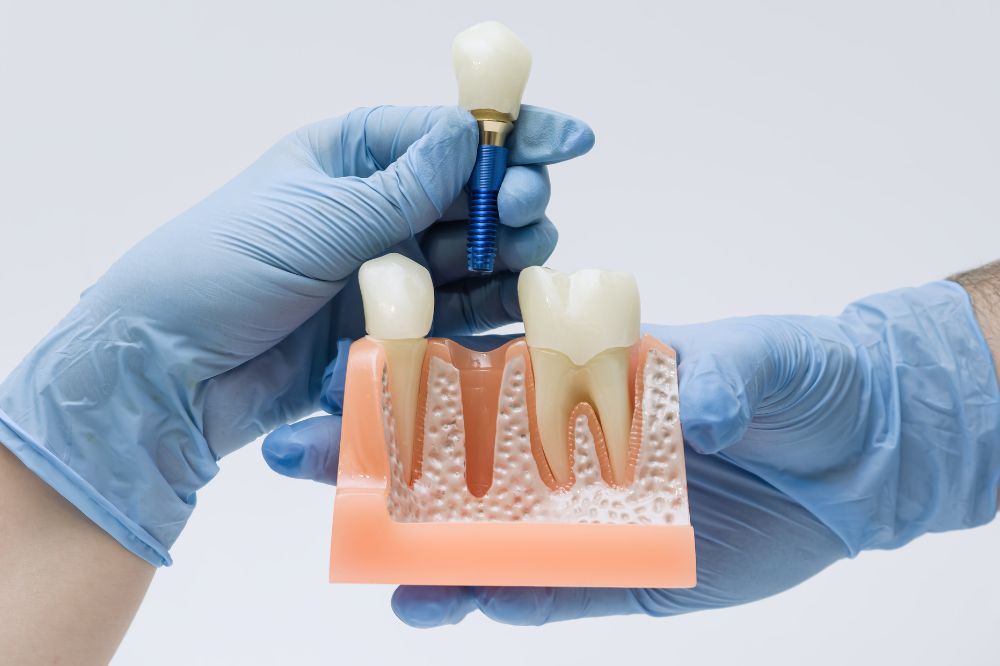
Why dental implants are the closest solution to natural teeth becomes clear when you understand what they do that other replacements cannot. When you get dental implants in NE Calgary, they replace not just the tooth you can see but also the root by placing a small post directly into the jawbone. This gives the same kind of stimulation that a real root gives — stopping bone loss and keeping your jaw strong and healthy. Unlike bridges, which sit above the gum, and dentures, which rest on the surface, implants actually become part of your bone and work just like a natural tooth. You can chew naturally with them. They help you speak correctly. Plus, they restore the full smile you once had.
When to Get Help
The longer a tooth is missing, the more bone loss happens and the more complicated treatment becomes. A tooth lost today is much simpler to replace than a tooth lost five years from now. If you have been missing a tooth or teeth, getting dental implants near you is the smartest thing to do. The sooner you act, the more bone you keep, and the simpler your treatment can be.
Get Your Smile Back and Protect Your Health Visit Falcon Ridge Dental
You do not have to live with missing teeth. The longer you wait, the bigger the problems become. With modern implant technology, getting your smile back and protecting your mouth for the long term is completely possible. Falcon Ridge Dental staff helps patients to understand their options and leads them to whichever solution works best for their situation. Schedule your appointment today and take the first step towards a full, healthy smile.
Frequently Asked Questions
Q1: How fast does bone loss happen after a tooth is lost?
Bone loss can begin within a few months after losing a tooth and continues slowly over time. After one year, you may already notice a meaningful amount of bone is gone. This is why getting treatment early is so important.
Q2: Can bone loss be fixed?
Once bone is gone, it does not come back by itself. However, a dental implant placed in the bone that is left can encourage the bone to stay strong and sometimes even get denser over time.
Q3: Is a dental implant always the best choice for a missing tooth?
For most people, implants give the most natural look and last the longest. But other choices like bridges or dentures might work better depending on your situation, your bone health, and what you prefer. A visit with a dentist will help you figure out what is right for you.
Q4: How long have dental implants been used successfully?
Dental implants have been used for many years and have one of the highest success rates of any dental treatment — usually 95 percent or higher when placed correctly and cared for properly. There is a lot of research showing they work well and last a long time.