

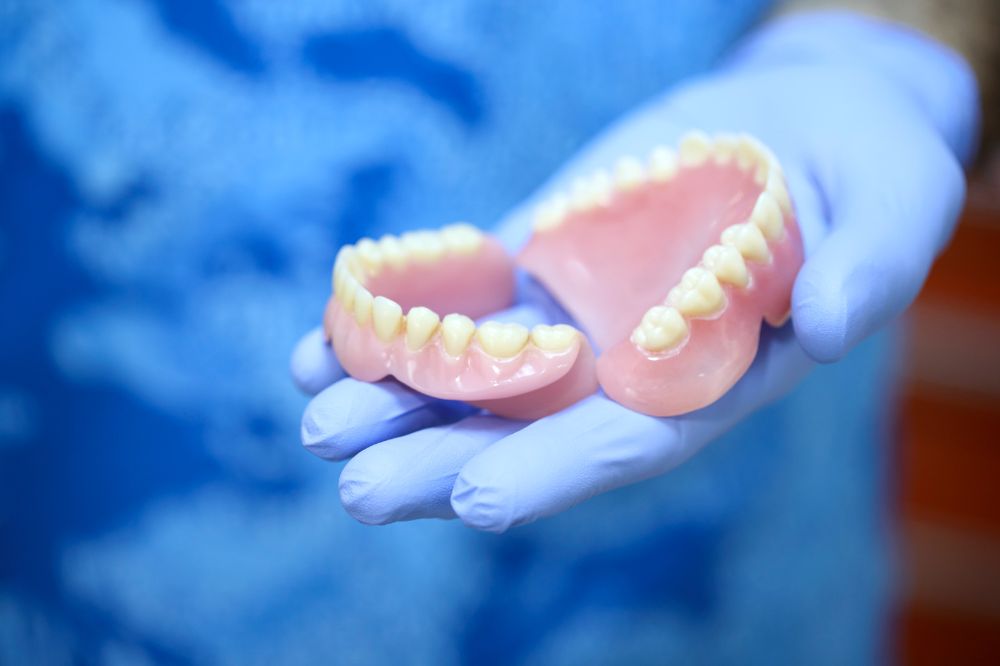
Dentures usually last between five and ten years before they need to be replaced. Your mouth changes shape over time, and dentures wear down with daily use. Visiting a dentist near you helps you know when it is time for new ones.
Why Your Dentures Do Not Last Forever
Dentures are amazing. They help you eat, speak, and smile when you have lost teeth. But they are not permanent like your real teeth were. Think of them like a car. With care, a car runs well for years. But eventually, it needs fixing or replacing.
Your mouth is always changing. The bone where your dentures sit shrinks and shifts. The dentures themselves get worn and cracked. Adhesives lose strength. The colour fades. All of this is normal. When you see a denturist in NE Calgary, they can tell you if your dentures are still working well or if new ones would help you more.
How Long Will Your Dentures Really Last?
Most dentures work well for five to ten years. Some last longer with great care. Some wear out faster. Here is what decides how long yours will last.
Factors That Make Dentures Last Longer
- You wear them every day and take them out every night
- You clean them gently each day
- You handle them carefully (no dropping them)
- You keep your gums and mouth healthy
- You visit your dentist in NE Calgary for checkups twice a year
- You eat softer foods most of the time
Factors That Shorten Denture Life
- You sleep in them every night without cleaning
- You bite down too hard on tough or sticky foods
- You drop them or bump them a lot
- You do not clean them properly
- You skip dental checkups
- You grind your teeth while you sleep
Signs Your Dentures Need Replacing Soon
Watch for These Changes
They Do Not Fit Right Anymore
Your mouth shape changes even though you cannot see it happening. The bone under your gums slowly shrinks. When dentures stop fitting snugly, they slip when you eat or talk. They may click or feel loose. Loose dentures can be embarrassing and make eating harder.
Visible Cracks or Chips
Dentures get brittle over time. A small crack can grow bigger. Chips may have rough edges that bother your gums. Once cracks start, they usually get worse. Cracked dentures let bacteria in and are harder to keep clean.
The Colour Has Faded a Lot
Dentures slowly pick up stains from food, drinks, and smoke. Bleaching can help sometimes. But if they look very stained or yellowed, new ones will look fresher and brighter.
They Feel Uncomfortable
Good dentures should feel comfortable. If yours hurts your gums, causes sores, or feels tight, it is time for a change. Sometimes a dentist at a dental clinic near you can adjust them. But often, new dentures fit better than adjusted old ones.
They Break Easily Now
If your dentures crack or break often, the material is getting worn. Replacing them may actually be cheaper than fixing them over and over.
What Really Changes About Your Mouth?
Your mouth is not the same at eighty as it was at fifty. Here is what happens.
| Body Change | What Happens | How It Affects Dentures |
| Bone Shrinks | The jawbone gets smaller year after year. | Dentures become loose and move around. |
| Gum Shape Shifts | Your gums flatten and change contour. | Dentures no longer fit the shape they were made for. |
| Gum Health | Gums can become inflamed or sore. | Dentures rub and cause pain. |
| Skin Loses Elasticity | Face skin sags slightly with age. | Dentures may look less natural. |
| Saliva Changes | Your mouth can become drier. | Adhesives do not stick as well. |
Can You Eat All Types of Food With Dentures?
This is a real question people ask. The honest answer is: most foods, but not quite everything.
Foods That Work Well With Dentures
- Soft bread and rolls
- Cooked vegetables
- Fish and soft meats
- Pasta and rice
- Eggs and dairy
- Mashed potatoes
- Soup and stew
- Soft fruits like bananas and peaches
Foods to Avoid or Be Very Careful With
- Tough, chewy meat (steak is hard)
- Sticky foods (caramel and taffy)
- Very hard foods (nuts, hard candy, ice)
- Corn on the cob
- Apples and raw carrots (need to be cut into small pieces)
- Popcorn (hulls get under dentures)
With dentures near you, your dentist can give you a full list of what to eat and how to adapt your favourite meals. Many people eat a wide variety once they learn the tricks.
Make Your Dentures Last Longer
Daily Care That Works
- Gently brush your dentures twice a day with a soft-bristled brush.
- Use denture cleaner, not toothpaste
- You can drain them some 12 hours later.
- Wash them after eating.
- Handle them over a sink with a towel (so if you drop them, they land on soft cloth, not the hard floor)
- Never use hot water, which can warp them
Monthly Care
- Deep clean them with a denture tablet once a week
- Check for loose parts or damage
- Make sure they still fit well
Yearly Care
- Visit your dentist twice a year
- Let them check the fit and condition
- Have them remove buildup and stains
- Ask about any discomfort you feel
When Your Mouth Tells You Something Is Wrong
Some problems pop up between visits. If you feel these things, call your dentist.
- Sharp pain in your gums
- Sores that do not heal in a week
- Dentures that suddenly feel very loose
- Visible cracks that grew quickly
- Your bite feels different
- You have a hard time chewing food you used to enjoy
Time for a Fresh Start?
Dentures are a wonderful solution, but they are not permanent. Just like you get a new car eventually, you will get new dentures someday. The good news is that new technology makes dentures fit better and look more natural than ever. Your mouth may have changed, but that does not mean you have to settle for uncomfortable dentures.
If you have been wearing the same dentures for five years or longer, it is worth asking your dentist whether new ones would help. You might feel better, eat better, and smile with more confidence. The change can be bigger than you expect.
Your Smile Deserves the Best Fit
The team will listen to what is important to you at Falconridge Dental. Dentures are not simply teeth. Our denture specialist understands they are part of how you live. When it’s time to consider new dentures, we will review your options and answer your questions so you’ll feel ready for what’s next. Reach out to us when you’re prepared to discuss the possibility of new dentures making your life easier.
Questions People Wonder About
When should I change my dentures?
You will get new dentures every five to ten years. Your dentist can advise you on what is best.
Can dentures be repaired instead of replaced?
Small cracks and chips can sometimes be fixed, but major damage usually means replacement is smarter.
Why do dentures feel uncomfortable after a few years?
Your mouth bone shrinks, which changes how dentures fit, and the material gets brittle with age.
Do new dentures feel weird at first?
Yes, they do feel a little strange for a few weeks, but you adjust quickly to how they feel and fit.