

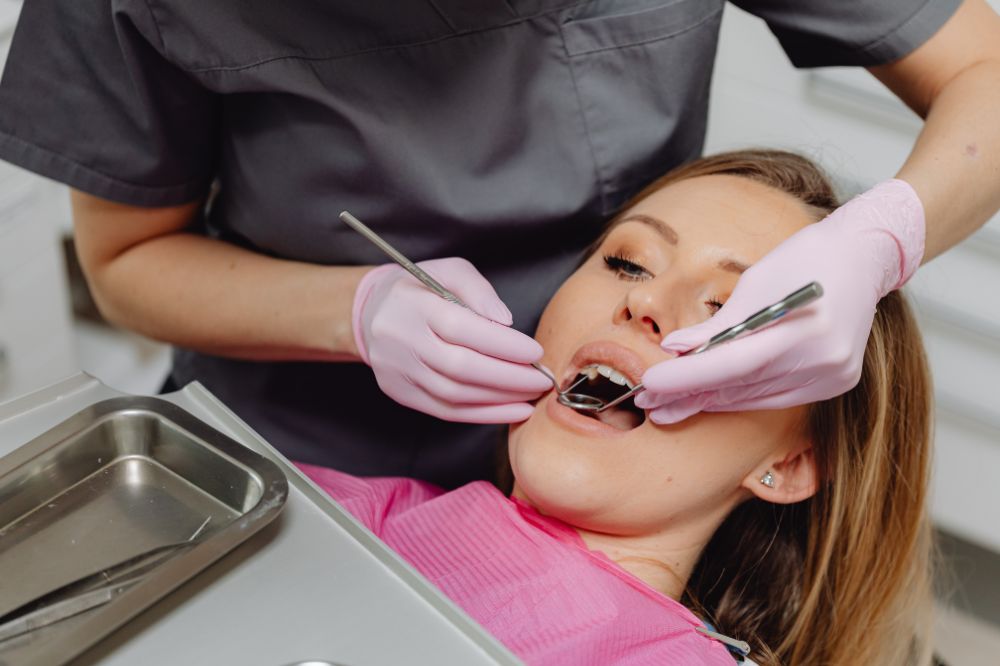
What is periodontal treatment in NE Calgary? It is a dental care approach used to treat gum disease and protect the supporting structures of the teeth. Gum problems often start silently, but early care can prevent them from worsening and help save natural teeth.
Gum disease can affect people of all ages, and treatment depends on the extent of the condition. In many cases, dentists first try non-surgical methods before considering surgery. A dental clinic near you can help identify gum disease early and guide the right treatment plan based on gum health.
What is Periodontal Treatment?
Understanding what periodontal treatment is helps patients know why gum care is important.
Periodontal treatment focuses on:
- Removing plaque and bacteria from the gums
- Reducing gum swelling and bleeding
- Preventing bone loss around teeth
- Improving overall gum health
This treatment can be non-surgical or surgical, depending on the severity of the infection.
What is Non-Surgical Gum Treatment?
Non-surgical gum treatment is the first step in managing gum disease. It is used when the condition is still in early or moderate stages.
Common non-surgical treatments include:
- Deep cleaning (removal of plaque below the gum line)
- Scaling and root cleaning
- Antibiotic gels or mouth rinses
- Regular gum maintenance visits
Benefits of non-surgical treatment:
- Less discomfort
- No cutting or stitches
- Faster recovery
- Helps stop early gum disease
This approach is often the first option in periodontal treatment near you.
What is Surgical Gum Treatment?
Surgical treatment is used when gum disease becomes more serious and non-surgical care is not enough.
Types of surgical gum treatments:
- Gum flap surgery to clean deep areas
- Bone and tissue restoration
- Gum reshaping procedures
When surgery is needed:
- Deep gum pockets remain after cleaning.
- Bone loss has started.
- Infection is severe
- Teeth feel loose
Surgical care helps repair damaged gum tissue and protect teeth for the long term.
Non-Surgical vs Surgical Gum Treatment: Key Differences
| Feature | Non-Surgical Treatment | Surgical Treatment |
| Type of care | Cleaning and medication | Minor gum surgery |
| Pain level | Low | Moderate (controlled with anesthesia) |
| Recovery time | Quick | Longer recovery |
| Best for | Early gum disease | Advanced gum disease |
| Invasiveness | No cutting | Involves surgery |
Both treatments aim to stop infection and protect oral health, but the method depends on the gum condition.
Can Gum Disease Be Reversed?
A common question is whether gum disease can be reversed.
The answer depends on the stage:
- Early stage (gingivitis): Yes, it can often be reversed with proper cleaning and care
- Advanced stage (periodontitis): It cannot be fully reversed, but can be controlled and managed
Early treatment from a dental clinic near you is the best way to stop gum disease from getting worse.
Signs You May Need Gum Treatment
Gum problems often show warning signs. These include:
- Bleeding while brushing or flossing
- Swollen or red gums
- Bad breath that does not go away
- Loose teeth
- Gum recession
If any of these symptoms appear, professional care is needed quickly.
Why Early Gum Treatment Matters
Early treatment helps avoid serious dental problems.
Benefits include:
- Protects natural teeth
- Reduces the risk of tooth loss
- Prevents bone damage
- Improves overall oral health
- Makes treatment simpler and less costly
Finding Periodontal Treatment Near You early can make a big difference in long-term gum health.
How Dentists Decide the Right Treatment
Dentists choose treatment based on the health of the gums and the severity of the infection.
They check:
- How deep are the gum pockets
- How strong the bone support around the teeth is
- How much infection is present
- The patient’s symptoms
This helps the dentist develop a treatment plan tailored to each patient’s needs.
What Happens After Gum Treatment?
After treatment, maintaining gum health is very important.
Patients are usually advised to:
- Brush and floss daily
- Attend regular dental cleanings.
- Avoid smoking
- Follow the dentist’s instructions carefully.
Good home care helps prevent gum disease from coming back.
Don’t Let Gum Disease Get Worse – Take Action Early!
Why wait for gum problems to get worse? Gum disease can be treated in different ways depending on its severity. Early gum problems can often be fixed with simple cleaning, while more serious cases may need surgery to protect the teeth and gums. Visiting a trusted dental clinic near you helps you get the right diagnosis and care on time. For expert gum treatment and full gum care, patients can visit Falconridge Dental for long-term oral health support. Book your appointment today for a healthier smile.
FAQs:-
1. What is periodontal treatment used for?
It is used to treat gum disease and protect the health of teeth and supporting bone.
2. Is non-surgical gum treatment painful?
It is usually not painful and is done using gentle cleaning methods for comfort.
3. When is gum surgery needed?
It is needed when gum disease becomes more severe and deep cleaning alone is not enough.
4. Can gum disease be fully cured?
Early gum disease can often be reversed, but advanced stages can only be managed and controlled.