
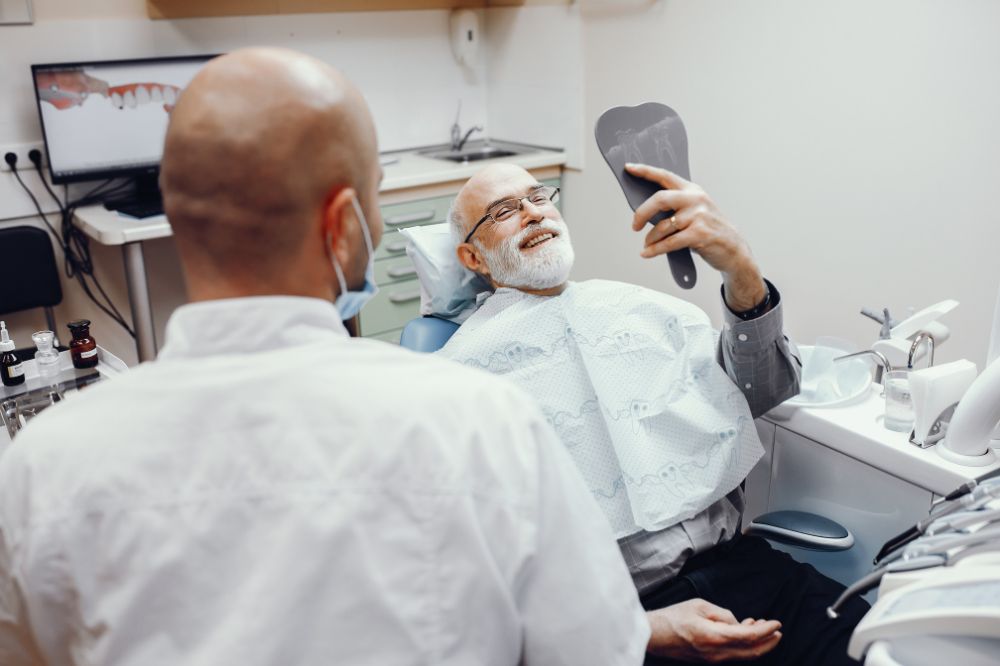
If you are wondering whether a 70-year-old can get veneers? Yes, a 70 year old can receive dental veneers. Age is not a problem when it comes to having a healthy smile. What matters most is the health of your teeth and gums, not how old you are. In fact, many seniors choose veneers to improve their smile, boost their confidence and make their teeth look younger. A qualified dentist near you in Falconridge will check your mouth and gums to see if veneers are the right choice for you.
Here we will talk about what dental veneers are, how they work for older adults, and what you need to know before getting them.
What Are Dental Veneers?
Dental veneers are thin, tooth-colored, custom-made shells. Dentists place them on the front of your teeth to improve how they look. They can help if your teeth are
- Chipped
- Cracked
- Discolored
- Worn down
- Crooked
- Have gaps
Veneers are often made from porcelain or composite resin. Porcelain is stronger and lasts longer. Composite is usually less expensive but may not last as long.
Can Elderly Patients Get Veneers?
Yes, dental veneers for elderly patients are common. The main criteria to consider when evaluating individuals 70 years of age or older, and if you are a candidate for veneers, is
- You need to have healthy gums
- You need to be free of active tooth decay
- Your natural teeth can support veneers
Your dentist will evaluate your mouth prior to placing veneers. They will evaluate your gum health, the strength of the teeth and overall oral health. If your teeth are strong, the chances are very high that you would be a good candidate.
Why Older Adults Choose Dental Veneers
Many people want to feel confident about their smile, no matter their age. Seniors may choose veneers because:
| Reason | How Veneers Help |
| Tooth Discoloration | They help cover stains that are from age, smoking, or medication |
| Worn-Down Teeth | It adds shape and length back to teeth |
| Chipped or Cracked Teeth | They help to hide damage and improve the strength of a tooth. |
| Small Gaps or Uneven Teeth | They help create a more even and uniform smile |
A brighter, straighter smile can make you feel more youthful and boost your self-esteem.
What Happens During the Veneer Procedure?
Getting veneers usually requires several visits to the dentist.
Initial consultation
Your dentist will evaluate your teeth and gums. X-rays may be taken to evaluate your deeper structure.
Prepare Tooth
Your dentist will remove a small layer of enamel (the outer part of your tooth) to have the veneer fit better to your tooth surface. Your dentist may take impressions of your teeth.
Bond and Place
Your dentist will carefully bond the veneers to your teeth with a special dental material. Your dentist will evaluate the shape and color of the bond before proceeding.
You may receive a “no-prep” veneer, which means your dentist will require less or no removal of enamel.
Things to Consider Before Getting Veneers at 70
If you are 70, your NE Calgary dentist may talk to you about
- Gum Recession: over time, gums tend to recede. If there is acrylic between your gums and veneers or your veneers reach the gum line, your veneers will need to be shaped.
- Tooth Wear: Older teeth may have more wear. The dentist will assess if the teeth are strong enough to support veneers.
- Dry Mouth: Some seniors are on medications that create dry mouth, which impacts oral health and hence must be managed.
If you are in full dentures or have very weak teeth, your dentist may recommend other options such as crowns or implants.
How Long Do Veneers Last for Older Adults?
Porcelain veneers can last 10-15 years or longer with good care, while composite veneers can last only 5-7 years. Age does not contribute to the length of time veneers last, but how you take care of your teeth certainly does.
To give your dental veneers the best chance of lasting longer, you will want to take good care of your teeth each day. Brushing your teeth at least twice, employing a soft toothbrush, will help in gently cleaning your teeth without damaging your veneers. Remember to floss once a day to remove food and plaque accumulation between your teeth.
Try to avoid biting hard things like ice, pens, or fingernails, which may cause the veneers to chip or crack. Make sure to visit the dentist for regular cleaning and examinations. This is how you can ensure your teeth and gums remain healthy, and importantly, the dentist can check to make sure your veneers are okay.
Pros and Cons of Veneers for Elderly Patients
| Pros | Cons |
| Improves smile and confidence | Not covered by all dental insurance plans |
| Fixes stains, chips, and gaps | Requires some enamel removal |
| Looks natural | Veneers may need replacing in the future |
Are Veneers Safe for Seniors?
Yes, veneers are safe for healthy seniors. The dentist will check to ensure that the teeth and gums do not present any issues. If gum disease, decay, etc. is present, the issues will be treated beforehand placing veneers.
Talk to a Dentist About Veneers
If you are 70 years old and you would like a smile that looks better, then dental veneers may be a good choice of you. Many elderly patients have chosen dental veneers for the reason of being more confident and having a better quality of life.
The best way to confirm that veneers are right for you is to have a conversation with your dentist. The dentist will evaluate the oral health and coverage options and guide you through the process.
Need Help With Your Smile?
At Falconridge Dental, we provide gentle and professional dental care for all patients. Our team has experience to assist patients with a variety of dental needs, including dental check-up, cleanings, dental veneers, and more. Our focus is on keeping your teeth and gums healthy – in a safe and positive environment.
Book your appointment today with Falconridge Dental – let us help you with your oral health needs.