

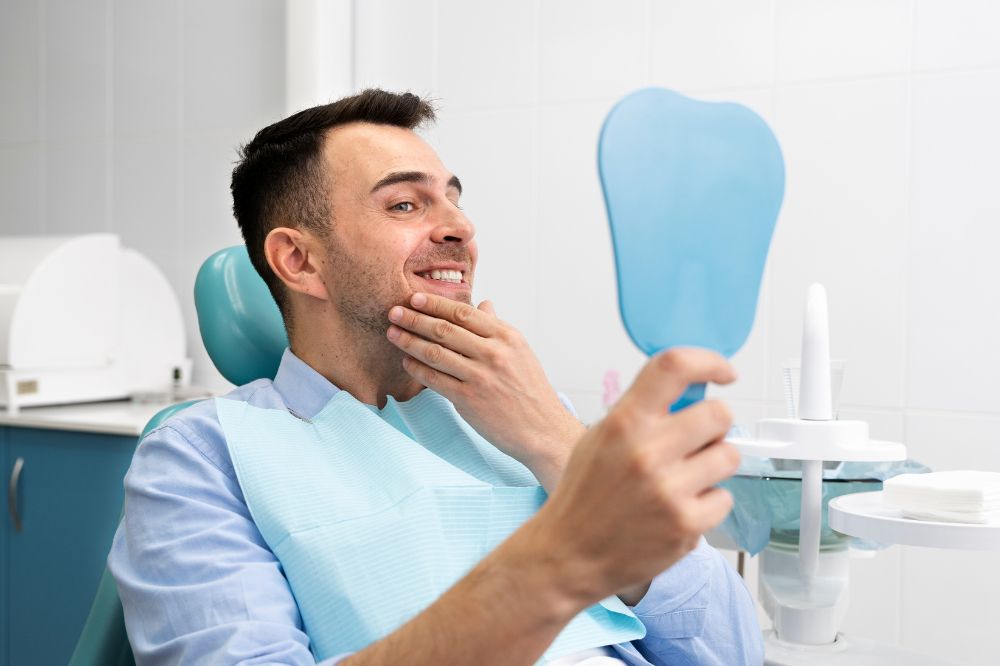
Getting a dental implant is meant to help you chew, smile, and feel confident again. Some soreness after the procedure is normal, but pain can feel scary when it lasts longer than expected.
Many patients visiting an NE Calgary dentist ask if discomfort means something has gone wrong, but most of the time, there are simple reasons and solutions.
Understanding what causes implant pain can help you know when to relax and when to take action.
Is Pain Normal After a Dental Implant?
Yes, mild pain is normal right after implant placement. Your body needs time to heal because the implant is placed into the jawbone. You may feel soreness, swelling, or tenderness for a few days.
Normal early discomfort may include:
- Slight swelling of the gums
- A dull ache near the implant
- Mild pain when chewing
This type of pain should slowly improve as healing continues.
Why Might Implant Pain Last Longer Than Expected?
Sometimes discomfort lasts longer than the usual healing time. Pain can happen if the gums are irritated, the area is under pressure, or healing is slower than expected. Patients who visit a dental clinic in Falconridge often learn that everyday habits like chewing hard foods too soon or grinding teeth can cause extra stress on the implant. Long-lasting pain does not always mean failure, but it should never be ignored.
Common Reasons Dental Implants Can Hurt
Pain can come from several sources, depending on how your mouth is healing. With dental implants in NE Calgary, dentists often see pain caused by issues such as:
- Inflammation of the gums
- Infection around the implant
- Too much pressure on the implant
- Delayed bone healing
Finding the cause early makes treatment much easier.
What Can You Do at Home to Reduce Implant Pain?
You can often reduce discomfort with simple at-home care. Keeping the area clean and avoiding irritation is very important.
Helpful tips include:
- Rinsing gently with warm salt water
- Eating soft foods while healing
- Avoiding smoking or vaping
- Taking pain medicine as directed
- Keeping the area clean without brushing too hard
These steps support healing and reduce swelling.
What to Do When Pain Weeks Later Becomes a Sign to Call the Dentist
Pain that comes back or worsens later should not be ignored. If you feel throbbing, pressure, or swelling long after surgery, it may be dental implant pain weeks after the procedure that needs professional care.
Warning signs include:
- Pain that increases instead of improves
- Red or swollen gums around the implant
- Bad taste or pus near the area
- Pain when biting down
These signs mean it is time to book an appointment.
How Dentists Treat Ongoing Implant Pain
Dentists first examine the implant and the surrounding gums to find the cause. Treatment may include cleaning the area, adjusting your bite, or giving medication to control infection or inflammation.
Early care helps protect the implant and prevents more serious problems.
How Long Should Healing Take?
Most implant pain improves within a week or two. Full healing of the bone takes several months, but you should feel comfortable during daily activities well before that. If pain stays strong or limits eating and speaking, professional help is needed.
Can Implant Pain Be Prevented in the Future?
Yes, with the right implant pain prevention habits, you can make a big difference. Regular visits to a dentist, cleaning your teeth and avoiding any pressure on the implants will help you achieve healthy teeth.
Prevention tips:
- Brush gently around implants
- Use floss or tools recommended by your dentist
- Wear a night guard if you grind your teeth
- Attend follow-up appointments
Good care protects your investment and your smile.
When to Seek Help
Dental implant pain can be uncomfortable, but it is often treatable when addressed early. Paying attention to changes in pain helps prevent bigger problems later.
At Falconridge Dental, patients receive careful implant evaluations, personalised care, and clear guidance throughout healing.
If your implant feels uncomfortable or painful, the team at Falconridge Dental can help you find relief and protect your smile for the long term.
Booking a visit early can make healing smoother and stress-free.
Getting here is simple — just follow us on Google Maps for the best route. 📍
FAQs
Can stress make implant pain worse?
Yes, stress can make you clench or grind your teeth, which can hurt the implant more.
Is it ok to exercise if my implant hurts?
Yes, a light exercise is fine, but heavy exercise may make swelling or pain worse.
Can cold weather make my implant sore?
Sometimes. Cold can make the gums feel sensitive, but it usually goes away.
Are there foods I should avoid with an implant?
Yes. Hard or sticky foods can put pressure on the implant, so eat carefully.